Looking for a south Denver location that feels connected, active, and still somewhat attainable compared with some nearby luxury suburbs? Englewood stands out for exactly that reason. If you are weighing a move, trying to understand the area’s housing options, or simply curious about its momentum, this guide will walk you through what makes Englewood appealing, what is changing, and what to keep in mind as you explore. Let’s dive in.
Why Englewood Gets Attention
Englewood is a compact south-metro city of about 35,238 residents spread across 6.56 square miles, according to the U.S. Census QuickFacts for Englewood. That smaller footprint gives the city a more connected feel than some larger suburban areas, with a population density of just over 5,100 people per square mile.
From a lifestyle standpoint, the city describes itself as a full-service community with major medical and manufacturing employers, along with growing foodie, arts, and startup communities centered in historic downtown and the central business district. That mix helps explain why Englewood often feels like more than a pass-through south metro location. It has its own identity and a visible sense of activity.
For buyers, that identity matters. You are not just choosing a home. You are choosing how easily you can move through your day, where you spend time locally, and whether a place feels like it has both stability and forward momentum.
Housing in Englewood
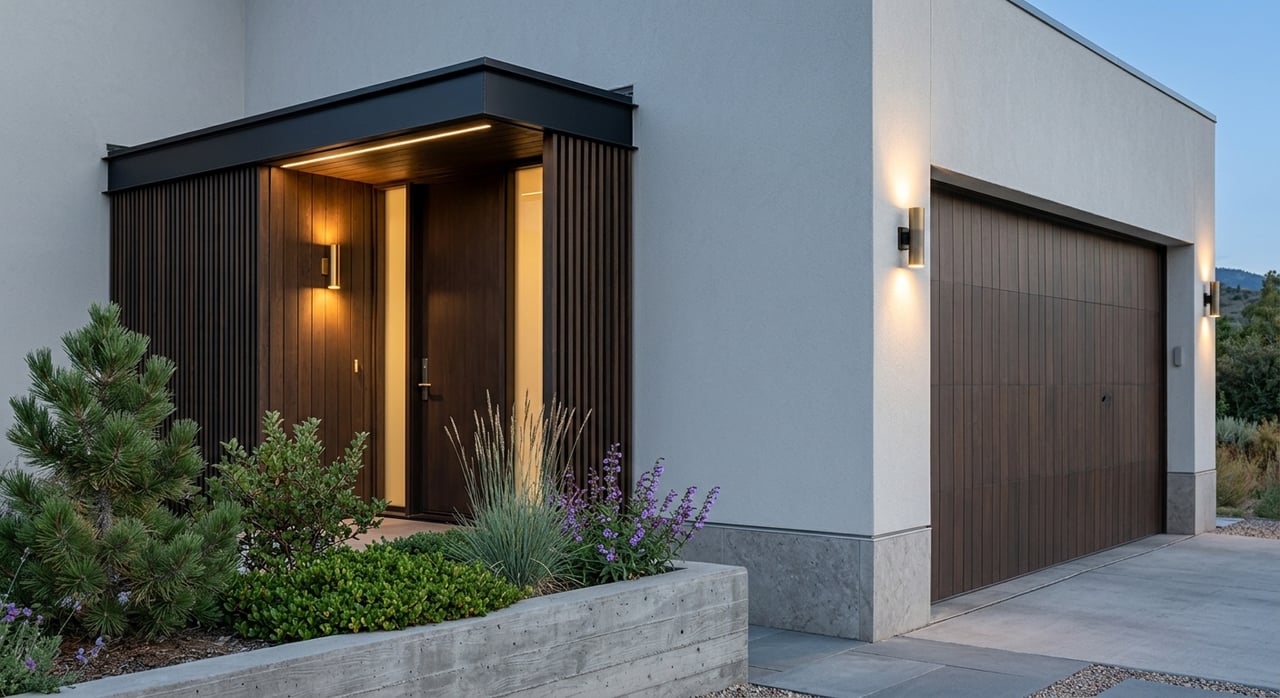
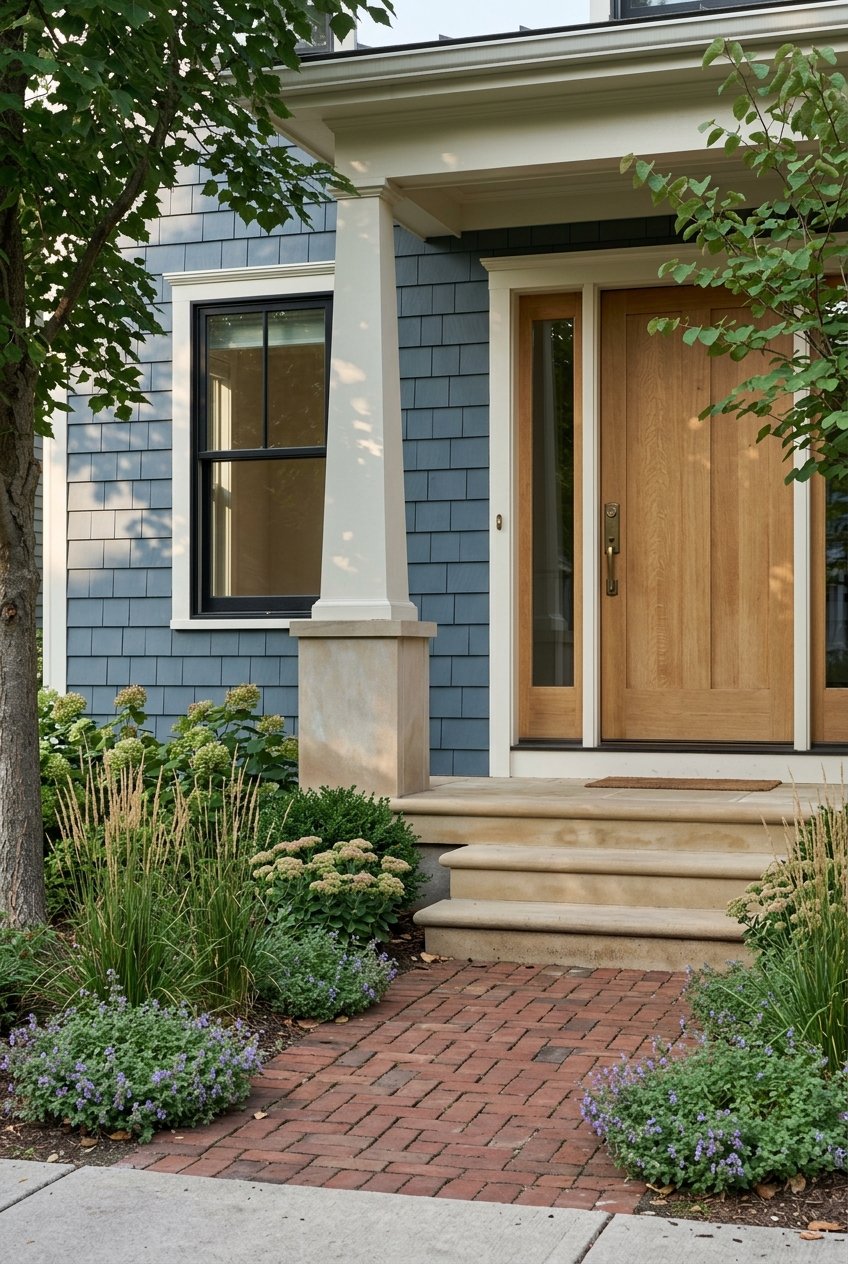
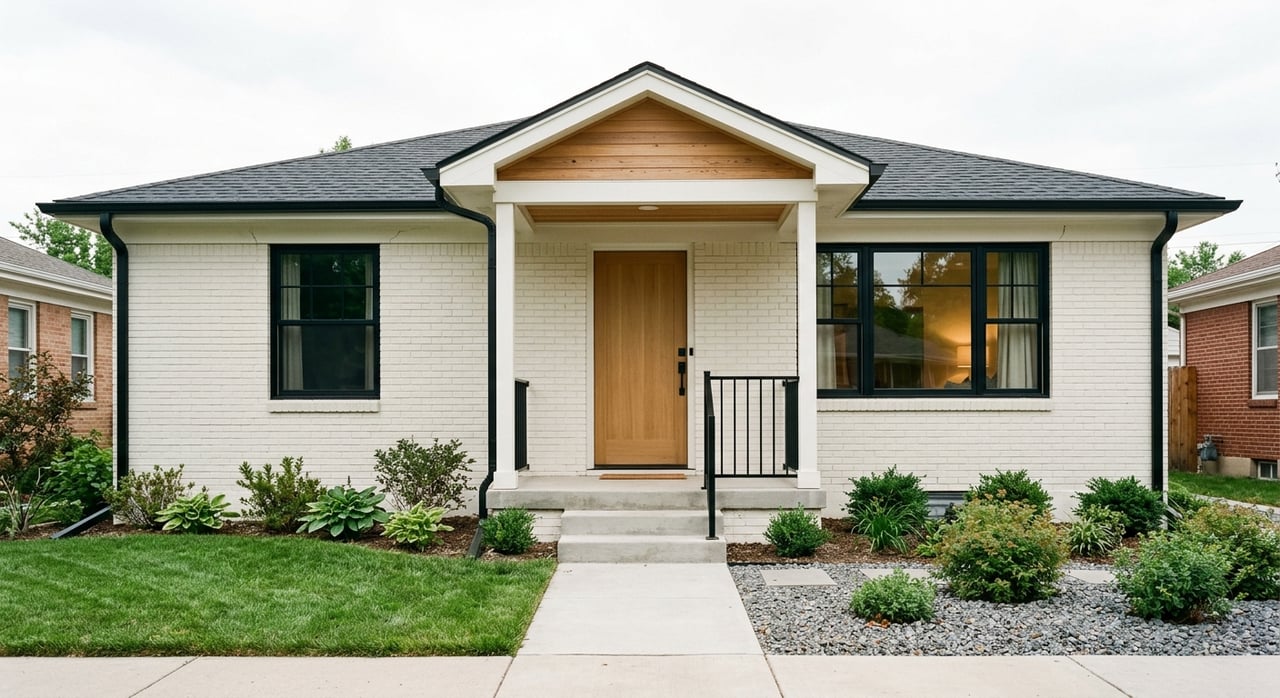
One of Englewood’s biggest strengths is the variety in its housing story. City planning materials describe a mix of transit-oriented CityCenter, historic downtown, and early-to-mid-20th-century bungalow-style neighborhoods, which supports the common view that Englewood blends older single-family areas with newer redevelopment zones.
That variety can give you more flexibility than you may find in communities with a narrower housing profile. Depending on where you focus, you may see older homes with established neighborhood character, newer housing near transit, or properties close to dining and daily conveniences.
City materials also note that CityCenter includes modern housing options and light rail access. At the same time, South Broadway is identified as a walkable corridor with restaurants, boutiques, entertainment, and essential businesses. Together, those features give Englewood a broader housing and lifestyle mix than many buyers expect at first glance.
Market Position in South Metro
Recent market data shows why Englewood often enters the conversation for buyers who want a south-metro address without the price point of some nearby high-end communities. In February 2026, Redfin reported Englewood’s median sale price at $540,000, while Realtor.com reported a median listing price of $599,000, 32 median days on market, a 98% sale-to-list ratio, and a balanced market.
Those figures are measuring different things, so they are not necessarily in conflict. What they do suggest is a market where buyers and sellers are finding a relatively steady middle ground, rather than an environment defined only by extreme scarcity or heavy discounting.
Compared with nearby upscale suburbs, Englewood is clearly positioned at a lower price point. Using Redfin’s February 2026 data, Greenwood Village posted a median sale price of $1.8735 million and Cherry Hills Village reached $2.205 million. That does not make Englewood a formal affordability case study, but it does support the idea that it can be a more accessible option within the broader south Denver area.
Transit and Commuting
Transit is one of Englewood’s most practical advantages. The city says it has two light-rail stops, bus service, freeway access via US 285 and US 85, and a free trolley, which is stronger connectivity than many south-metro buyers expect.
RTD also notes that Route 0 Broadway runs between Englewood and Union stations, linking key stops such as Englewood Station, CityCenter, and downtown Denver along the corridor. If you want options beyond driving, that matters.
The city’s free trolley adds another layer of convenience by connecting CityCenter, downtown businesses, and the medical district around Craig Hospital and Swedish Medical Center. For day-to-day livability, that kind of local circulation can make a real difference, especially if you value proximity to work, errands, dining, or appointments.
Census data also puts Englewood’s mean commute time at 22.6 minutes. While your own commute will depend on destination and schedule, that figure helps reinforce the city’s appeal for people who want a location that remains closely tied to the broader metro.
Jobs and Economic Anchors
Englewood’s employment base is a major part of its identity. The city says Swedish Medical Center is its largest employer, and downtown planning materials describe the Wellness District as a health-and-wellness hub anchored by Swedish Medical Center and Craig Hospital.
That concentration of medical activity does more than shape the local economy. It also brings a steady flow of workers, visitors, patients, and supporting businesses into the area. In practical terms, that can help support restaurants, services, housing demand, and ongoing investment.
The city also points to manufacturing employers and an emerging startup presence. For you as a buyer or seller, that broader employment mix can be a useful signal of resilience. It suggests Englewood is not dependent on a single lifestyle narrative alone.
Downtown Englewood and South Broadway
If you are drawn to places with visible local energy, downtown Englewood deserves a close look. The city’s downtown map describes South Broadway as a walkable main street with restaurants, boutiques, entertainment, and essential businesses, while CityCenter is framed as a modern, light-rail-oriented district.
That combination gives Englewood a dual identity that many buyers find appealing. Part of the city feels rooted in a traditional main street pattern, while another part is clearly evolving around transit and redevelopment.
The city’s materials also show that this growth story is ongoing. CityCenter redevelopment plans call for more housing, restaurants, shops, civic uses, and public spaces, and the site is described as one of the largest redevelopment areas along RTD’s D Line.
A City Still Evolving
One of the most helpful ways to think about Englewood is as a place in motion. The city’s Downtown Development Authority is focused on revitalization, and city materials say up to $70 million in tax-increment financing was authorized for downtown projects.
The city has also introduced the EARN rewards app to support local businesses, and public events such as the Englewood Block Party highlight restaurants and bars in the downtown area. These are practical indicators of a city working to strengthen its commercial core rather than standing still.
South Broadway’s own revitalization materials describe the corridor as having community spaces, local businesses, and a budding arts district. That suggests the area is functioning less like a basic commercial strip and more like a lifestyle corridor with room to keep growing.
What to Know About Ongoing Improvements
It is important to view Englewood realistically. Some of its most visible corridors are under construction or in transition, and that is part of the current story.
For example, the city’s Old Hampden public improvements project notes that 1950s-era water and stormwater pipes are being replaced. Future streetscape work is intended to improve safety, accessibility, and movement through the area.
That may mean parts of Englewood feel unfinished in the short term. Still, for many buyers, improvement work can also be a sign that the city is investing in long-term function and quality of life rather than deferring necessary updates.
Who Englewood May Suit Best
Englewood can appeal to a wide range of buyers because it checks several boxes at once. It offers local character, transit access, established neighborhoods, and visible redevelopment momentum.
You may want to consider Englewood if you are looking for:
- A south-metro location with better transit options than you expected
- A housing market that sits below nearby premium suburbs in price
- A mix of older homes and newer housing opportunities
- Access to a walkable business corridor with restaurants and daily conveniences
- Proximity to major medical employers and central Denver connections
For some buyers, Englewood works especially well as a middle ground. It can offer a more urban feel than purely suburban areas, without matching the pricing of the most expensive nearby enclaves.
Key Numbers at a Glance
Here is a quick snapshot of Englewood based on the research provided:
| Metric | Englewood |
|---|---|
| Population | 35,238 |
| City Size | 6.56 square miles |
| Median Household Income | $86,800 |
| Median Owner-Occupied Home Value | $572,900 |
| Median Gross Rent | $1,668 |
| Mean Commute Time | 22.6 minutes |
These figures, drawn from the U.S. Census QuickFacts page, help frame Englewood as a compact, active city with both ownership and rental presence.
Final Thoughts on Living in Englewood
Englewood is not trying to be a static, polished suburb with one identity. Its appeal comes from the blend: older neighborhoods, newer redevelopment, meaningful transit access, a strong medical employment base, and a downtown core that continues to evolve.
If you are considering a move in south Denver, Englewood is worth a closer look because it offers both present-day convenience and a clear sense of where the city is heading. The right home search here benefits from local context, careful evaluation of micro-locations, and a clear strategy around timing, condition, and long-term fit.
If you want tailored guidance on buying or selling in the south Denver area, Julie Goodkind offers discreet, high-touch representation with a calm, informed approach.
FAQs
What is Englewood, Colorado known for?
- Englewood is known for its compact south-metro location, strong transit options, medical employment anchored by Swedish Medical Center and Craig Hospital, and an evolving downtown centered around South Broadway and CityCenter.
How expensive is the Englewood housing market?
- In February 2026, Redfin reported a median sale price of $540,000 for Englewood, while Realtor.com reported a median listing price of $599,000, reflecting different methods of measuring the market.
Is Englewood more affordable than nearby south Denver suburbs?
- Based on Redfin’s February 2026 data, Englewood’s median sale price was far below Greenwood Village and Cherry Hills Village, which supports the view that Englewood can be a more accessible south-metro option.
Does Englewood have good public transit?
- Yes. The city reports two light-rail stops, bus service including Route 0, freeway access via US 285 and US 85, and a free trolley connecting CityCenter, downtown, and the medical district.
What kinds of homes can you find in Englewood?
- City planning materials describe a mix of early-to-mid-20th-century bungalow-style neighborhoods, historic downtown areas, and newer housing in transit-oriented CityCenter.
Is Englewood still being redeveloped?
- Yes. City materials point to ongoing redevelopment in CityCenter, revitalization work along South Broadway, downtown investment through the Downtown Development Authority, and infrastructure improvements in Old Hampden.