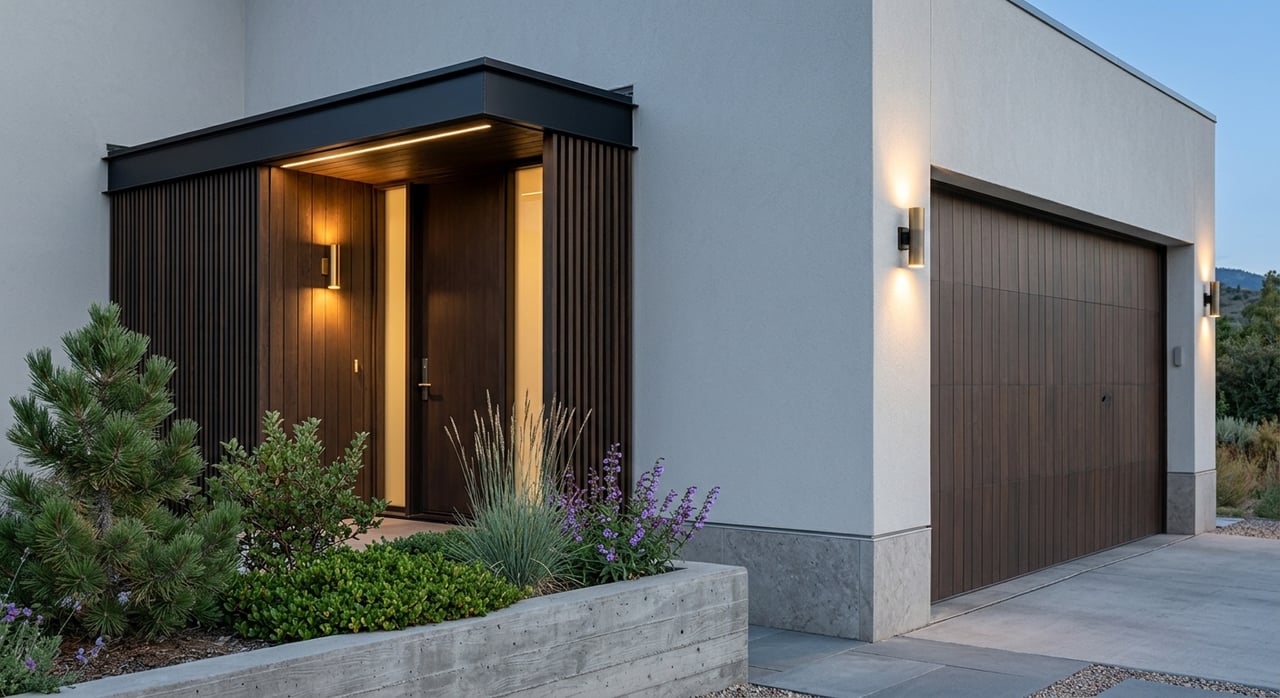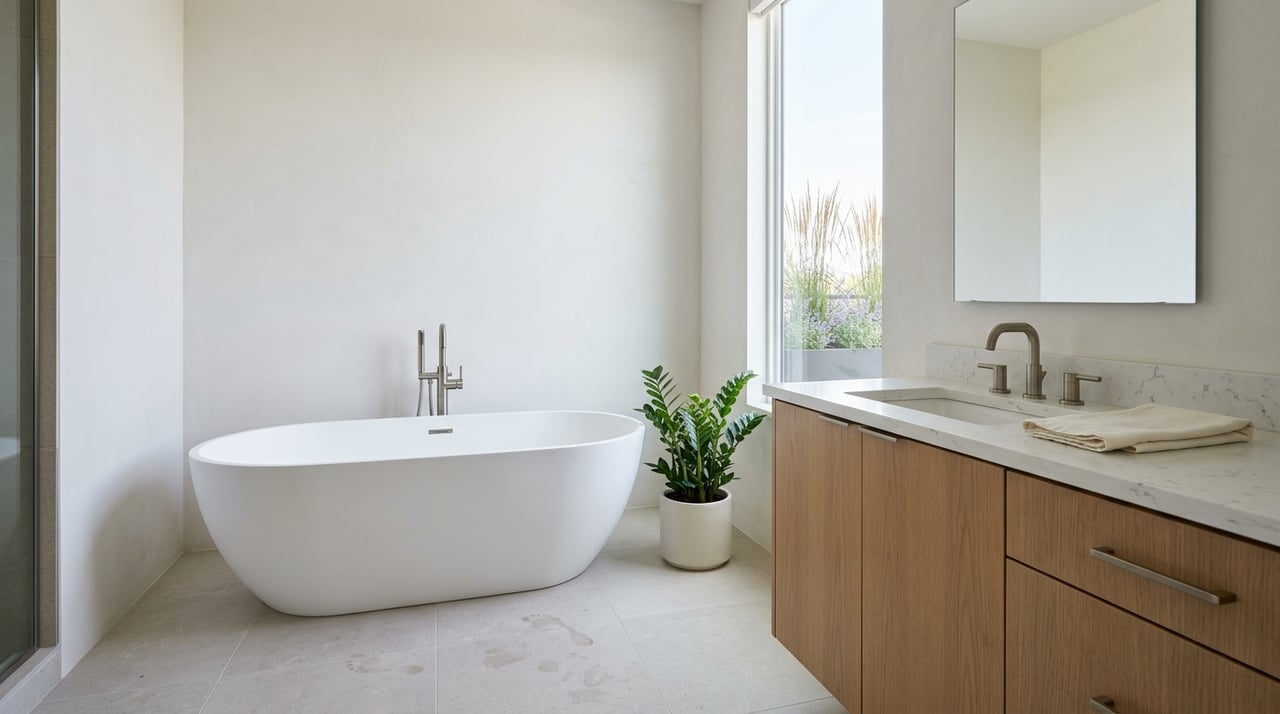
If you are preparing to sell a luxury home in Centennial, timing and presentation can shape both your buyer pool and your final result. Higher-end buyers tend to notice details quickly, from condition and paperwork to photography and showing access. With the right plan, you can reduce friction, protect your privacy, and bring your home to market with confidence. Let’s dive in.
Start With Centennial Market Reality
Centennial can move quickly, but luxury pricing still needs precision. In the March 2026 SMDRA city-by-city market map, Centennial had 183 new listings, 144 sold listings, a median price of $632,500, and 9 days in MLS.
That citywide median is useful background, but it should not drive the list price for a luxury property. Nearby Greenwood Village posted a much higher median of $1.625 million and 5 days in MLS, which is a good reminder that premium homes should be priced from neighborhood-level comparable sales, not broad city averages.
Regional SMDRA data for the seven-county south metro market showed 4.6 months of supply in March 2026. That means strong homes can still attract fast attention, but polished presentation and realistic pricing remain essential.
Plan Your Launch Early
For many sellers, the best results start months before the listing goes live. Realtor.com identified April 12 through 18 in 2026 as a strong national best-time-to-sell window, with homes listed that week getting 16.7% more views, selling about nine days faster, and carrying median list prices roughly $26,000 above January levels.
For Centennial homeowners, that is best used as a planning benchmark rather than a guarantee. If you want to hit the spring buyer rush, your repairs, staging, photography, and permit sign-offs should already be complete.
A luxury launch often takes longer than owners expect. Vendor scheduling, finish work, and final visual prep can easily compress your timeline if you wait too long.
Inspect Before You List
A pre-list inspection can give you more control before buyers begin their own due diligence. According to NAR’s home inspection guidance, a seller may choose an inspection up front to identify issues related to structure, roof, plumbing, electrical, HVAC, and health-related concerns such as radon or lead paint.
In a luxury sale, this step can be especially helpful because buyers often expect a home to feel turnkey. When you identify meaningful issues early, you can decide whether to repair, disclose, or price accordingly before they become a negotiation problem.
This approach also supports smoother contract discussions. Fewer surprises often mean less renegotiation pressure later.
Handle Repairs and Permits Carefully
If your pre-list work includes repairs, Centennial’s building rules matter. The city’s Building Division enforces current codes, homeowners may pull a permit only if they are doing the work and occupy the residence, and any contractor or subcontractor must be licensed in Centennial.
That has practical implications for list prep. If work requires a permit or final inspection, confirm the timeline early so your launch is not delayed by city review.
For luxury sellers, this is where a concierge-minded process helps. Coordinating contractors, inspections, and finish schedules in the right order can keep the listing calendar intact.
Organize Disclosures Before Going Live
Colorado’s current Seller’s Property Disclosure for residential property, mandatory for use on or after January 1, 2026, is completed by the seller based on current actual knowledge. The form states that any newly discovered adverse material fact must be disclosed promptly in writing.
The disclosure also asks about HOA membership, special assessments, metropolitan district status, drainage and flood issues, prior investigations, and insurance claims. In Centennial, local maps and neighborhood resources can help you confirm school, water, fire, HOA, and special-district boundaries before the home hits the market.
A well-prepared seller should gather key records early, including association documents, recent assessment history, warranties, and any prior reports. That preparation can reduce surprises and help buyer questions get answered quickly.
Know the Lead Paint Rule for Older Homes
If your home was built before 1978, federal lead-based paint disclosure rules apply. Sellers must provide the required disclosure, share any available records, provide the lead-hazard pamphlet, and allow the buyer a 10-day opportunity to conduct a risk assessment or inspection.
This is not a detail to handle late in the process. If your home falls into that age range, it should be part of your prep checklist from the start.
Stage for Space, Light, and Calm
Luxury buyers usually respond to homes that feel edited, bright, and easy to understand at a glance. NAR’s 2025 Profile of Home Staging found that 29% of agents said staging increased the dollar value offered by 1% to 10%, while 49% reported faster sales. The same report found that 83% of buyers’ agents said staging helps buyers visualize a home as a future residence.
The visual side matters just as much. Buyers’ agents rated photos, traditional staging, videos, and virtual tours as highly important, which makes your pre-market visual strategy a core part of your sale plan.
For a higher-end Centennial home, the goal is not to overdecorate. It is to create a clean, neutral backdrop that highlights scale, light, and flow.
Focus on Key Rooms First
NAR reported that the most commonly staged rooms are the living room, primary bedroom, dining room, and kitchen. Those spaces often shape a buyer’s first impression and should receive the most attention.
In practical terms, that may mean edited furniture, simplified surfaces, stronger lighting, and neutral paint where needed. Entry spaces and the primary suite also deserve careful attention because they set the tone for the rest of the showing experience.
Use Simple Prep Moves That Matter
Before professional photography or showings, several basics can make a major difference:
- Declutter surfaces and storage areas
- Depersonalize art and highly specific decor
- Remove bulky furniture that shrinks the room
- Use neutral paint tones where refresh is needed
- Keep closets about half full rather than packed
These are not remodel-level changes. They are presentation choices designed to make the home feel spacious, calm, and move-in ready.
Decide How Private You Want Showings To Be
Not every luxury seller wants broad access. Colorado Division of Real Estate guidance states that a seller may opt out of using a lockbox and may require broker-present showings instead. The guidance also warns that access codes should not be shared with buyers or third parties.
That makes showing access a strategic decision, not just an operational detail. If privacy matters to you, a tighter showing plan can support discretion while still allowing qualified buyers to experience the property properly.
For some owners, that white-glove approach is worth the added coordination. It can help you balance exposure with comfort and control.
Time Your Sale Around Real Life
For many Centennial households, move timing is tied to school and relocation calendars. Cherry Creek Schools notes that neighborhood-school enrollment opens February 2, school choice applications run from December 1 through May 31, and the first day of the 2026-27 school year is August 17, 2026.
Littleton Public Schools also frames its 2026-27 calendar around an August start, an end before Memorial Day, and spring break in the last week of March. If your move needs to line up with registration, summer possession, or temporary housing, those dates matter.
This is one reason late spring and summer often become natural transition periods. Buyers and sellers alike may be working around the same seasonal deadlines.
Expect Summer Vendors To Book Up
Summer is also peak moving season. Mayflower notes that most moves happen between Memorial Day and Labor Day, while relocation firms such as Cartus and Sirva report that peak season can strain capacity and make preferred scheduling harder to secure.
If your sale involves a corporate move, a simultaneous purchase, or a phased move-out plan, book key vendors well ahead of time. Movers, storage providers, contractors, and stagers may have limited availability once summer approaches.
Early scheduling gives you more options and less stress. It also helps protect your closing timeline if your transaction requires several moving parts.
A Practical Luxury Prep Sequence
If you want a clean, orderly path to market, this sequence works well in Centennial:
- Verify disclosures, HOA details, and special-district information early
- Complete a pre-list inspection
- Address meaningful repair items and confirm permit requirements
- Stage the home with a focus on light, scale, and simplicity
- Capture polished photography and marketing assets
- Choose a launch date that fits school and relocation calendars
This kind of step-by-step preparation is especially valuable in higher-end sales. It helps reduce renegotiation risk, supports stronger first impressions, and protects your net proceeds.
Selling a luxury home is rarely about one big move. It is about a series of thoughtful decisions made in the right order. When your preparation is as polished as your marketing, buyers can focus on the home itself instead of the loose ends around it.
If you want a discreet, concierge-guided plan for preparing your Centennial home for market, Julie Goodkind offers calm, confidential guidance from pricing and prep through closing.
FAQs
What should luxury home sellers in Centennial do before listing?
- Start with disclosures and property records, complete a pre-list inspection, address meaningful repairs, confirm permit status, and finish staging and photography before launch.
How should sellers price a luxury home in Centennial?
- Price should be based on neighborhood-level comparable sales, not the broader Centennial median, because luxury values can vary significantly by area and property type.
Do repairs in Centennial require permits before selling a home?
- Some repairs may require permits or final inspections, and Centennial states that contractors and subcontractors must be licensed in the city, so it is smart to verify requirements early.
Does staging help a luxury home sale in Centennial?
- NAR data shows staging can support faster sales and stronger offers, and it can help buyers better visualize the home as a future residence.
Can a luxury seller in Colorado limit showing access?
- Yes. Colorado guidance says a seller may choose not to use a lockbox and may require broker-present showings instead.
When should Centennial sellers prepare for a spring listing?
- Ideally, months in advance, so repairs, staging, photography, and any permit sign-offs are completed before serious spring buyer activity begins.