If you want a Denver-area community with real history, everyday convenience, and easy access to the outdoors, Historic Littleton is worth a close look. You are not just choosing a place on a map here. You are choosing a lifestyle shaped by a walkable downtown, established homes, and a strong connection to parks, trails, and civic life. This guide will help you understand what it actually feels like to live in Historic Littleton and what kinds of buyers tend to feel at home there. Let’s dive in.
Historic Littleton at a Glance
Historic Littleton is best understood as the downtown and Main Street core of Littleton, rather than the entire city. The historic district and many of the landmark buildings are concentrated around Main Street and Alamo Avenue, where preservation efforts are designed to protect the area’s cultural, social, and architectural character while still allowing compatible change.
Littleton itself covers about 13 square miles and has 45,727 residents. The city also includes more than 2,000 businesses and two light rail stations, which helps explain why it feels both established and active. You get a community with roots, but not one that feels frozen in time.
Downtown Life Feels Practical and Social
One of the biggest draws of Historic Littleton is that downtown is still used every day. It is not just a historic backdrop for occasional events. The city describes downtown as a popular destination for locals and visitors to shop and dine, which gives the area a lived-in, functional energy.
That matters if you want a neighborhood where you can actually build routines around your surroundings. Grabbing coffee, meeting friends for dinner, attending a performance, or walking through the district can all feel like part of normal life rather than a special trip.
The city is also working on downtown mobility improvements aimed at safer crossings, better multimodal connections, clearer wayfinding, improved lighting, more trees, and wider sidewalks. For you as a buyer, that points to a downtown that is still being refined for comfort and accessibility.
The Character Comes From Age and Preservation
Historic Littleton has a sense of place that newer areas often try to replicate but rarely match. The built character comes from a true historic core, with preservation policies intended to maintain the district’s identity over time.
That does not mean every home or building feels old in a negative way. It means the area tends to offer more visual variety, more established streetscapes, and a stronger connection to local history. If you value architectural character and a downtown that feels distinct, this is a meaningful part of the appeal.
Outdoor Access Is a Big Part of Daily Life
Littleton stands out for how much outdoor access is woven into daily living. The city says it has more than 1,400 acres of parks and open space, along with more than 200 miles of trails. That is a major lifestyle advantage if you want your routine to include walking, running, biking, or time near the river.
The South Platte River corridor is a major part of that experience. South Platte Park, the Carson Nature Center, and the Mary Carter Greenway all connect to this corridor, which has gained additional open space, bridges, trailheads, and trail mileage through regional collaboration.
For many residents, this means you are not choosing between city access and outdoor access. In Littleton, those two things often work together.
Key Trail Connections Near Historic Littleton
The city’s trail study describes Littleton as having one of the best collections of regional trail segments in the metro area. That is especially helpful if you want flexible options for recreation and transportation.
A few standout routes include:
- High Line Canal Trail for casual walks, runs, and bike rides
- Mary Carter Greenway for commuting and longer rides
- Connections to Downtown Littleton, Chatfield State Park, and Aspen Grove
This trail network adds real convenience, not just scenery. It can shape how you spend weekends, how often you get outside, and in some cases how you move through the area.
Outdoor Access Is Strong, but Not Perfect Everywhere
It is also important to keep expectations realistic. The same city trail study notes that some neighborhoods still face gaps and barriers created by busy roads, rail corridors, and natural features.
In other words, Littleton offers strong trail access overall, but the experience is not equally seamless in every location. If walkability or bike connectivity is a top priority for you, it helps to look at block-by-block access rather than assuming every address will feel the same.
Cultural Amenities Add Depth
Historic Littleton is not only about shops, restaurants, and trails. It also has civic and cultural amenities that add depth to daily life.
The Littleton Museum sits on 40 acres next to Ketring Lake and includes three exhibition galleries, a research center, two living-history farm sites, a working blacksmith shop, and Littleton’s first one-room schoolhouse. It was the first museum in Colorado to be recognized as a Smithsonian Affiliate, which gives you a sense of its importance within the community.
Town Hall Arts Center is another local anchor. Located in the former 1920 town hall building, it has 260 seats and hosts theater, concerts, and exhibits. The venue says it brings more than 25,000 visits to downtown each year, helping keep the area active beyond shopping and dining.
Hudson Gardens also adds a park-like amenity close to downtown. It offers 30 acres of garden exhibits, trails, open space, children’s play areas, and event venues, and it is open daily with free admission.
Housing in Littleton Is Established
If you are considering a move here, it helps to know that Littleton’s housing stock is older and well established. According to the city’s comprehensive plan, 71.7% of housing was at least 30 years old in 2017, and 60.6% of the housing stock was single-family detached.
That older housing base is tied to the city’s growth history. Littleton remained largely agricultural until after World War II, then saw major housing growth in the 1950s, 1960s, and 1970s. As a result, many homes in and around the area reflect a mature community rather than a newly built one.
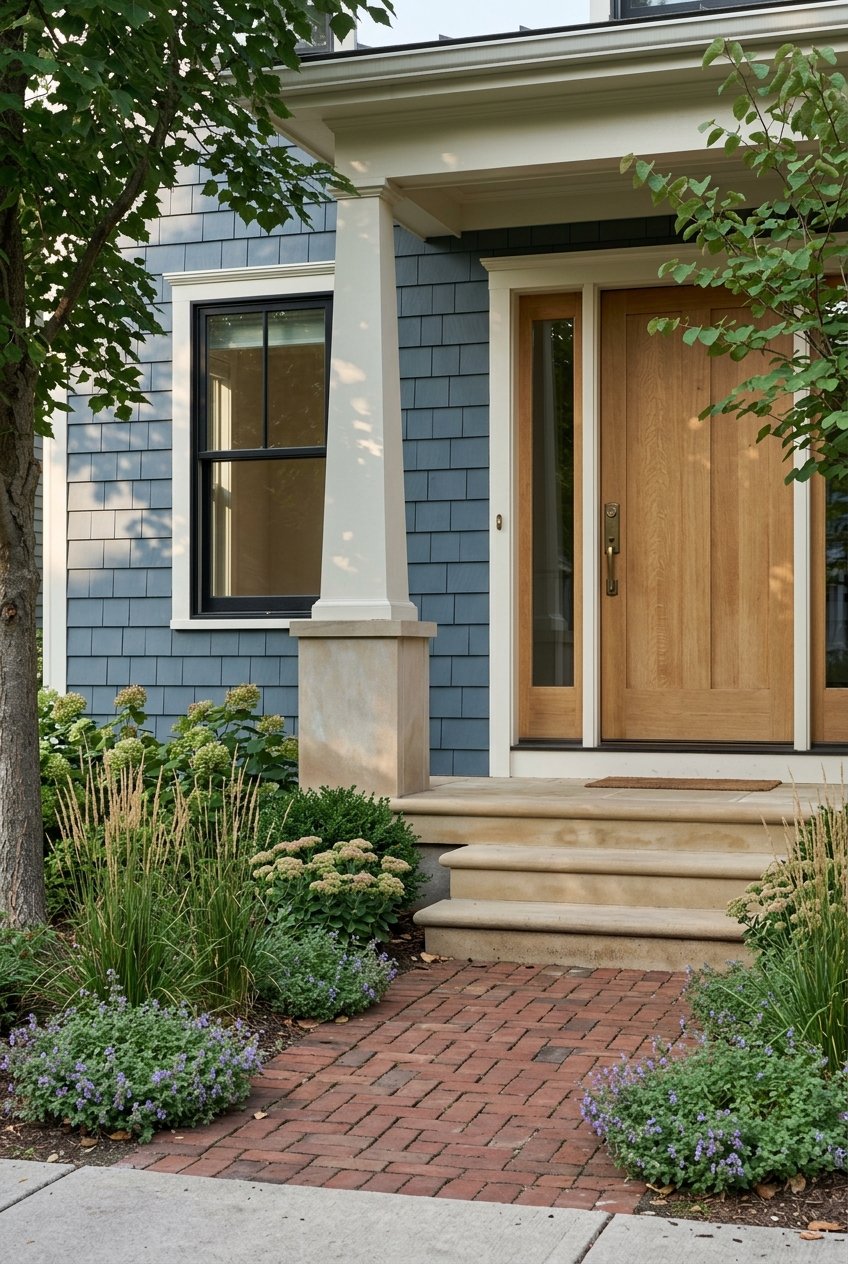
For you, that can mean larger lots in some areas, established landscaping, and homes with more variation in style and condition. It can also mean that updates, remodels, or rebuilds are part of the local housing story.
Newer Housing Is More Selective
Because Littleton is approaching buildout in its incorporated territory, future housing supply is more likely to come through tear-downs, rebuilds, or higher-density construction. The city also identifies ongoing needs for starter homes, near-transit rentals, and housing options for aging seniors.
That tells you two things. First, this is not a place where large amounts of brand-new inventory are likely to appear all at once. Second, housing choices may continue to evolve, especially near transit and in redevelopment areas.
What Daily Living May Feel Like for Different Buyers
Historic Littleton can appeal to several buyer types, but often for different reasons. Your experience of the area depends a lot on what you value most in day-to-day living.
For Buyers Who Want Walkability and Transit
If you want a more connected daily routine, the downtown core and areas near the Littleton/Downtown and Littleton/Mineral stations may stand out. The combination of rail access, restaurants, shops, and downtown mobility improvements supports a more walkable and connected lifestyle.
This can be especially appealing if you prefer to stay close to home for errands and leisure. It may also suit buyers who want easier regional access without giving up neighborhood character.
For Downsizers Seeking Character and Convenience
If you are looking to simplify without losing charm, Historic Littleton has a lot to offer. The mix of architectural character, compact daily living, and access to theater, museum, and garden amenities can make the area feel both manageable and rich in experience.
Instead of needing to plan every outing around a drive across town, you may find a more contained lifestyle here. That sense of ease is often a major part of the appeal.
For Households Focused on Recreation and Community Amenities
Littleton’s broader mix of parks, trails, museum programming, and established neighborhoods supports an active, community-based lifestyle. For many buyers, access to outdoor recreation is not just a bonus. It is one of the reasons the city feels livable over the long term.
Littleton Public Schools serves 12,904 students across 19 schools, and the Colorado Department of Education lists the district with a 2025 rating of Accredited. If schools are part of your home search, that is one factual starting point to review as you narrow down location and property options.
Why Historic Littleton Stands Out
Many communities offer a pleasant downtown or nearby trails. Historic Littleton offers both, along with a clearer sense of identity than you often find in newer suburban areas.
The draw is not only visual charm. It is the combination of a real Main Street core, a strong park and trail system, established housing, and cultural amenities that make everyday life feel fuller and more connected. If you want a place that balances history, access, and livability, Historic Littleton deserves serious consideration.
If you are exploring Historic Littleton or comparing it with other South Metro communities, Julie Goodkind offers discreet, high-touch guidance to help you evaluate neighborhood fit, housing options, and next steps with clarity.
FAQs
What is Historic Littleton in Littleton, Colorado?
- Historic Littleton generally refers to the downtown and Main Street core, especially around Main Street and Alamo Avenue, where the city’s historic district and landmark buildings are concentrated.
What is downtown living like in Historic Littleton?
- Downtown Historic Littleton functions as an everyday district with shopping, dining, cultural venues, and ongoing city improvements focused on crossings, sidewalks, lighting, trees, and multimodal access.
What outdoor amenities are near Historic Littleton?
- Littleton offers more than 1,400 acres of parks and open space and more than 200 miles of trails, including access to South Platte Park, the Mary Carter Greenway, the High Line Canal Trail, and Hudson Gardens.
What types of homes are common in Littleton, Colorado?
- Littleton has an older, established housing stock, with 71.7% of homes at least 30 years old in 2017, and single-family detached homes making up 60.6% of the housing supply.
What cultural amenities are available in Historic Littleton?
- Historic Littleton offers access to destinations such as the Littleton Museum, Town Hall Arts Center, and Hudson Gardens, which support year-round cultural and recreational experiences.
Is Historic Littleton good for buyers who want transit access?
- Buyers who value transit access may find the downtown core and station-adjacent areas appealing because Littleton has two light rail stations and ongoing downtown mobility improvements.