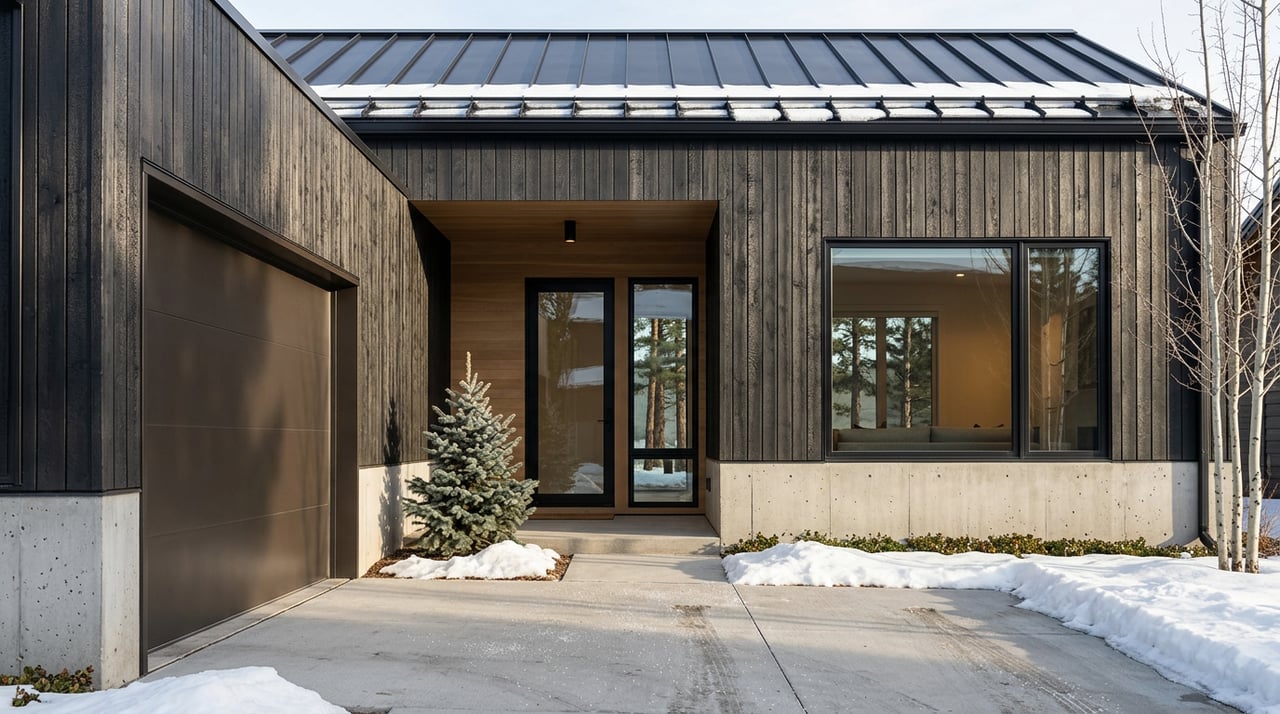
Dreaming about a mountain place you can reach in a single morning from Denver? The I‑70 corridor puts world‑class skiing, biking, and hiking within a practical drive. The options are exciting, but the rules, taxes, and logistics can feel complex. In this guide, you will learn how to pick the right community, understand permits and financing, budget for ownership, and plan for safe, smooth trips. Let’s dive in.
I‑70 corridor at a glance
When Denver buyers say “I‑70 corridor,” they typically mean three resort clusters: Winter Park and Fraser in Grand County, the Summit County cluster around Breckenridge, Keystone, Frisco, Silverthorne, and the Vail Valley anchored by Vail and Beaver Creek. Each area has its own character, price tiers, and homeowner rules. Drive times vary with weather and traffic. Winter is busy for snow sports and summer is also strong, while spring and late fall are quieter months with lighter visitor volume.
Accessibility matters. The highway is the main route and winter storms can trigger traction requirements. Know how that impacts your personal trips and any guest travel you plan to allow.
Decide your use case first
Before you look at listings, be clear about how you will use the property. Your plan influences loan options, taxes, permitting, and HOA fit.
Pure second home
You plan to use the home for yourself and do not rent it. Many lenders offer second‑home products that differ from primary residence loans. Down payment, reserves, and rate structures are often stricter for second homes than for primaries. Review a consumer summary like Chase’s overview of second home mortgages and ask your lender for exact requirements.
For taxes, learn the basics of vacation‑home rules. Personal use affects deductions, depreciation, and reporting. The IRS explains how personal days versus rental days drive treatment in IRS Publication 527.
Second home with occasional rental
You plan to enjoy the home but offset costs with limited short‑term rentals. Be transparent with your lender about intended rental use, since some second‑home loans place limits on frequent nightly rentals. For taxes, the “14‑day or 10 percent” rule in IRS Publication 527 determines whether your rental activity is reported and how expenses are allocated.
If occasional rental is part of the plan, check local permits and HOA rules before you buy. Budget for cleaning, local lodging and sales taxes, and basic management support. Seasonal demand and average daily rates vary widely by town and by building, so gather real performance data before you rely on estimates.
Income‑focused short‑term rental
You plan to operate the property primarily as a rental and use it personally when gaps allow. Lenders may classify this as an investment, which changes loan products and pricing. Operating economics are different too. Full‑service short‑term rental managers in resort markets often charge roughly 15 to 35 percent of gross revenue. Add cleaning, supplies, minor maintenance, utilities, and a capital reserve to your model.
License and zoning rules are critical. Some towns cap licenses or do not allow short‑term rentals in certain zones. In a few places, licenses do not transfer when a property sells, which means your ability to rent may depend on the exact address and timing.
Access and seasonality
Peak winter weekends can be slow on I‑70, and storms can change plans quickly. Colorado enforces a mountain corridor traction rule. Review the state’s guidance on Colorado’s traction law and plan guest messaging around tire and chain requirements.
Expect two peak seasons. Winter brings snow sports, and summer brings hiking, biking, and festivals. Spring and late fall are shoulder seasons with softer occupancy. For rental planning, aim to review monthly patterns rather than relying on one average number. Local tourism and lodging tax reports are helpful proxies.
Local rules and permits
Short‑term rental regulations vary by town, by county, and by HOA. Confirm the exact jurisdiction for any property, then verify whether a license exists, whether it will transfer, and what caps or carve‑outs apply. Always check HOA covenants, since association rules can be stricter than town policies.
Use these official pages as starting points:
- Breckenridge uses zones with different caps and fees. Check address status on Breckenridge’s short term rental licensing.
- Unincorporated Summit County has neighborhood and resort overlays with different limits and waitlists. See Summit County’s STR rules and waitlist.
- Vail requires licenses and safety compliance. Review Vail’s STR program.
- Keystone is in a resort overlay with no town cap, but HOA rules still apply. Read Keystone’s STR guidance.
- In Grand County, properties around Winter Park and Fraser follow county and town processes. Start with Grand County’s STR permit process.
Key takeaway: permissions are not universal. Municipal approval does not override HOA covenants, and license transfer rules can affect value.
HOA governance essentials
In Colorado, associations operate under the Colorado Common Interest Ownership Act, and the state maintains an information and resource center for HOAs. Before you buy, request the full HOA packet, including the current budget, reserve study, CC&Rs, rental rules, insurance certificates, and recent meeting minutes. The state’s overview is a helpful primer at Colorado’s HOA Information & Resource Center.
If a building has front‑desk or on‑site management, ask how that interacts with town licensing and taxes. Clarify any special assessments or capital projects that could change dues. These documents are your best window into ongoing costs and any rental limits.
Budget and cash flow basics
Build a simple monthly and annual budget before you shop. Include:
- Mortgage payment and reserves, if financed.
- HOA dues and any resort or club fees.
- Property management commissions if you hire a manager, often 15 to 35 percent of gross revenue for full service.
- Cleaning, linen, supplies, and restocking.
- Utilities, internet, and routine maintenance.
- Local lodging and sales taxes, plus any licensing or regulatory fees.
- Insurance and a capital reserve for big items like roofs or boilers.
If the seller rented the property, request 12 months of itemized revenue, occupancy by month, cleaning and maintenance expenses, and any platform fees. If you plan to hire a manager, ask for performance comps for similar units in the same building or complex. Written fee schedules help you model net income accurately.
Risk, insurance, and site checks
Mountain properties can face wildfire and flood exposure. Lenders rely on flood zone designations, and premiums vary by location. Use the FEMA Flood Map Service Center to look up property flood zones and confirm any coverage requirements with your insurance broker.
For wildfire, ask for current insurance quotes early in your process, and explore mitigation steps like defensible space and vegetation management. Many insurers consider mitigation investments when pricing coverage. If you are evaluating land or homes in heavily forested areas, include potential mitigation costs in your budget.
Logistics from Denver
Plan around peak travel windows during ski season and check conditions before you go. The state’s traction law applies to passenger vehicles on the mountain corridor when activated, so coach family members and guests on tire requirements. Early arrivals, midweek use, and flexible departure times can make travel easier.
Remote ownership works best with a simple systems plan. Set up keyless entry, a local contact for urgent issues, and smart monitoring for temperature and water. Establish snow removal, HVAC, and plumbing vendor relationships before the first storm.
Buyer’s checklist
Use this quick sequence to stay organized:
- Define your use case and talk to a lender about a second‑home or investment loan. Share any intended rental use and ask about reserves and occupancy definitions. See Chase’s overview of second home mortgages to prepare questions.
- Confirm the property’s jurisdiction and look up licensing rules by address. Start with Breckenridge, Summit County, Vail, Keystone, or Grand County as relevant.
- Request the full HOA packet and read rental rules, budgets, reserves, insurance, minutes, and any special assessment notices. For context, see Colorado’s HOA Information & Resource Center.
- If rented previously, collect 12 months of revenue, occupancy by month, and expenses. Ask a prospective manager for comps in the same building.
- Build a line‑item budget with management fees, cleaning, taxes, utilities, insurance, HOA dues, and a capital reserve.
- Review tax rules for personal use versus rental days in IRS Publication 527. Align your owner‑use plan with your financing and licensing.
- Check flood zone at the FEMA Flood Map Service Center and obtain insurance quotes that reflect wildfire and winter risks.
- Plan travel and guest communication around Colorado’s traction law. Set expectations for winter access and vehicle readiness.
Ready to explore homes that fit your plan and timeline? For calm, discreet guidance and a step‑by‑step process tailored to your goals, connect with Julie Goodkind for a confidential consultation.
FAQs
What should Denver buyers know about I‑70 winter driving?
- Colorado can activate a traction law that requires adequate tires or chains on the mountain corridor. Review the rule, plan around storms, and set guest expectations.
How do second‑home loans differ from investment loans?
- Lenders treat second homes and investment properties differently. Expect different down payments, reserves, and rate structures, and disclose any planned rental use upfront.
Do short‑term rental licenses transfer when I buy?
- Often they do not. Some towns use caps, zones, and attrition. Verify license status for the exact address and whether it will transfer prior to closing.
Can my HOA prohibit rentals even if the town allows them?
- Yes. HOA covenants can be stricter than municipal rules. Always read association documents for rental limits, minimum stays, and approval requirements.
How do taxes work if I use and rent my vacation home?
- The IRS applies rules based on personal use versus rental days, including the 14‑day or 10 percent threshold. See IRS Publication 527 for examples and definitions.
What ongoing costs should I expect with a mountain condo?
- Typical line items include HOA dues, management commissions if applicable, cleaning, utilities, internet, lodging and sales taxes, insurance, and a reserve for repairs.
How do I estimate rental income in Breckenridge or Vail?
- Request 12 months of actual revenue and occupancy if the unit was rented, and ask local managers for comparable performance in the same building or zone.